Crawl space mold remediation in Concord runs $1,500–$6,000 plus the moisture correction that keeps it gone. In a climate that hands vented crawls muggy air all summer over damp red clay, growth on framing is common, and fully fixable when the humidity goes with it.
How to read the signs, what remediation involves, and why the moisture half of the job is the half that lasts.
Reading a moldy crawl honestly
Surface bloom on a few joists after a wet season is common and treatable; widespread growth with softened wood means decay has been running for years and repair belongs in the plan. The inspection should sort one from the other with photos and moisture-meter readings you review yourself: no scare tour, no mystery lab fees, just documented conditions and a scope that matches them.
The remediation sequence
- Document: photos and readings of every affected bay, shared before pricing
- Clear: wet insulation and contaminated debris out of the space
- Treat: antimicrobial application across affected framing
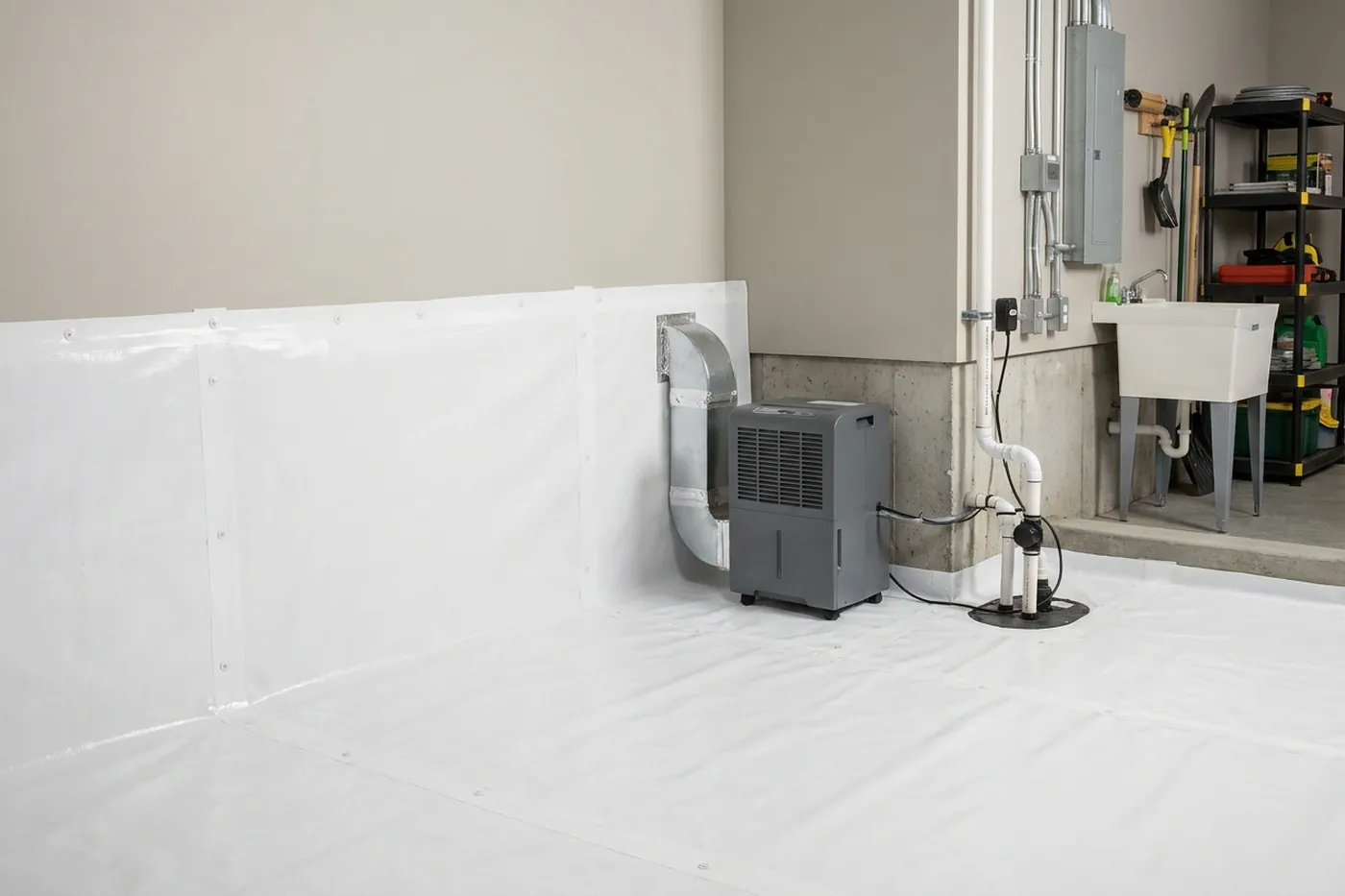
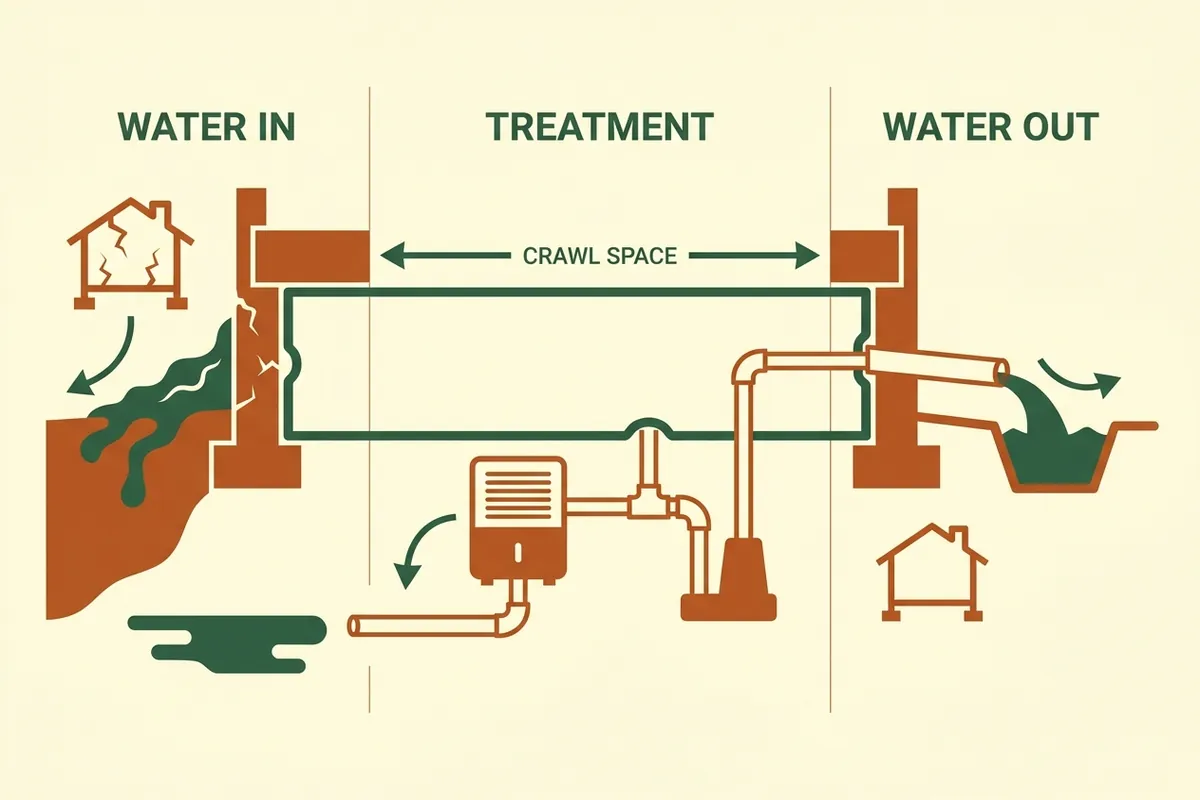
- Correct the moisture: barrier, drainage, or the full closed-crawl system, sized by the readings
- Verify: post-work photos and humidity targets in writing
Why treatment-only quotes are cheaper and worse
Anyone can spray the wood. If July still condenses on your joists, the colony re-forms and the spend repeats: the crawl version of mowing a weed. A sound mold quote carries the moisture plan beside the treatment, from a sealed ground barrier to full encapsulation, so the second invoice never has to exist.
How do you actually get the humidity down?
This is the question North Carolina answered with evidence rather than opinion. Sealed crawl spaces stayed drier than vented ones in this climate, repeatably, in this state.
| Option | What it does | What works here |
|---|---|---|
| Close the vents | Stops humid outdoor air being invited in | The finding that changed state practice: venting made things worse here |
| Seal the ground | Cuts off evaporation from bare soil | Bare clay evaporates into the crawl continuously through a muggy summer |
| Dehumidify | Removes what is left, and keeps removing it | What keeps a closed crawl at the humidity the research showed it can hold |
| Condition from the house | Supplies a small amount of conditioned air instead | Permitted, and effective where the system has the capacity to spare |
The NC Residential Code now includes explicit closed crawl space provisions. Closing a crawl here is the code-recognised approach, not an experiment.
Frequently asked questions
What does crawl mold remediation cost in Concord?
Treatment runs $1,500-$6,000 by affected area, plus whatever moisture correction the readings call for, because treatment in a crawl that stays damp is a repeat purchase worth avoiding.
Is the mold under my house reaching my family?
Crawl air doesn't stay in the crawl. It rises through the floor system into the rooms above. Musty smell, summer allergies at home, and humid first floors are the usual delivery signs. Fixing the crawl fixes the air path.
What about my insulation?
Fiberglass batts that have sagged wet are done. They hold moisture against the wood and come out during cleanup. What replaces them depends on the moisture plan; a closed crawl changes the insulation strategy entirely.
Can I just fog the crawl with a store product?
Fogging coats surfaces; it doesn't remove contaminated material, treat inside decayed wood, or change the humidity that grew the colony. The moisture is the problem; the mold is its receipt.
Get a Concord crawl space inspection
Tell us what you're noticing (smells, humidity, floor bounce, a wet crawl) and we'll pass your request to one independent local specialist who serves Concord. They call you back to set up an inspection.